Most Australians who sit down with a video poker strategy chart want clarity, not folklore. The chart is a decision map, not a promise. For players weighing an operator that keeps its lobby tidy and its paytables readable, the real test is whether the menu, the payout structure, and the account controls actually support disciplined play. I’ve spent years advising on treasury, banking, and investor operations, and I treat a casino’s paytable transparency the same way I’d treat a fund’s disclosure document: if the numbers aren’t easy to audit, the product isn’t ready for serious money.
How a Strategy Chart Actually Works
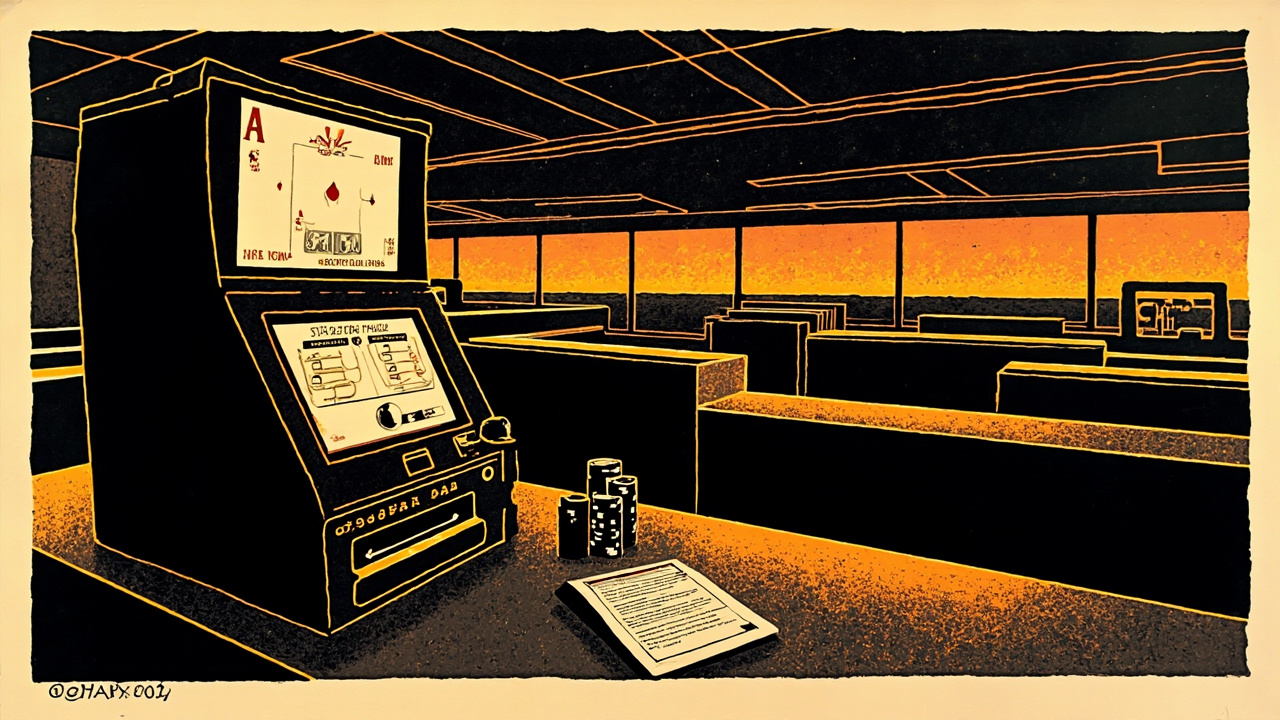
A video poker strategy chart sorts every possible hand into a ranked list of holds and discards, built around a specific paytable. The most common starting point is full-pay Jacks or Better, where the 9/6 return structure sets the ceiling for what disciplined play can achieve. The chart tells you when to hold a low pair over a four-card straight, or when a suited jack-ten-ten is worth chasing over a guaranteed pair of jacks. None of that matters if the machine pays 8/5 or https://aaavaluation.in/untitled-3/ worse, because the maths shifts under your feet.
I’ve sat in boardrooms where the “float” was the first thing anyone checked at the start of a shift – the tray of chips a table begins with. A video poker lobby works the same way: the starting paytable is your float, and the chart is only useful if the lobby’s numbers match what you think you’re playing. Operators that bury paytables behind a second click or mix 8/5 machines into a “Jackpots” folder are making you do the audit yourself. A clean lobby lists game mix, provider, and payout structure up front, so you can confirm the chart you’re studying actually matches the machine you’re about to press.
For an Adelaide player logging on after work, that distinction matters more than it first appears. You don’t want to spend an arvo cross-referencing a chart against a lobby that hides its paytables. The better setups let you filter by variant, read the paytable in plain view, and confirm the game mode before you commit a bet.Mashinydljaochistkizerna
Reading the Paytable Before You Trust the Chart
The first step is confirming the variant and the payout structure, because a chart built for 9/6 Jacks or Better will mislead you on an 8/5 machine.
- Open the lobby and locate the video poker section, then check the game mix for Jacks or Better, Deuces Wild, or any bonus-variant listings.
- Open the paytable on the chosen machine and confirm the full-pay line – look for the top royal flush payout and the full house and flush returns that define the variant.
- Match that paytable to the chart you’re using, because a hold recommendation only holds its value when the payout schedule is the same.
- Set your bet size and lines, then run a few hands without chasing losses, treating the first session as a calibration round rather than a grind.
- Note any near-miss patterns and whether the machine’s display rounds or truncates payouts, since clarity in the screen readout matters as much as the printed table.
A chart is a decision tool, not a licence to expect anything from the machine. I’ve reviewed treasury setups where the difference between a clean ledger and a messy one came down to one omitted line item, and the same discipline applies here: if the paytable doesn’t match the chart, stop and reassess rather than hoping the maths sorts itself out.
When a Chart Fits Your Play Style
A video poker strategy chart suits a player who wants a repeatable decision process more than a fast thrill. If you’re the sort who likes a measured session, a clear paytable, and a lobby that doesn’t hide its games behind endless sub-folders, the chart gives you a way to reduce guesswork. If you’d rather spin and let the screen decide, a chart will feel like homework, and that’s fine – it’s a tool for a specific temperament, not a universal fix.
Player fit comes down to three things. First, whether you’re comfortable sitting with a paytable long enough to confirm it matches your chart. Second, whether the lobby’s search and discovery tools let you find the right variant without clicking through a maze. Third, whether the operator’s account and payment setup supports a calm session rather than forcing you to chase limits. On the payments side, I’ve seen operators treat fast settlement as a marketing line and then quietly cap it in the fine print. If you’re comparing withdrawal options, it’s worth reading a short breakdown on instant bank transfer casino withdrawal limits before you assume a advertised speed matches your actual payout window. That kind of check is the same habit I’d apply to any cross-border payment rail: the headline is not the operating rule.
For players who want a tidy lobby, a readable paytable, and a chart they can actually use, the fit is straightforward. For anyone chasing a big bonus screen or a packed slots row, video poker is a different animal, and the chart only earns its place when the product around it is honest about what it pays.
A good operator keeps the lobby organised, lists providers and variants clearly, and makes the paytable visible before you bet. It also keeps registration, mobile play, and support functional enough that you’re not losing time to friction when you’re trying to play a measured session. Loyalty mechanics can be useful if they reward steady activity without nudging you toward bonus abuse, but they should never be the reason you pick a machine whose paytable doesn’t suit your chart.

Common Misconception: The Chart Guarantees the Return
A frequent misunderstanding is that a video poker strategy chart guarantees a specific return just by being followed. The reality is more nuanced. The chart maximises expected value for a given paytable and variant, but it cannot override a short-pay machine, a different game mode, or the natural variance of short sessions. Follow the chart perfectly on an 8/5 machine and you’re still playing a worse game than an imperfect session on a full-pay machine. The chart is a decision standard, not a payout guarantee, and the operator’s paytable is the part that actually sets the ceiling.
The smartest use of a chart is to confirm the paytable first, then let the chart handle the hands. That order matters because it keeps you from blaming the maths when the real issue was the machine selection. For a player who values discipline, that’s the whole point: control what you can read, play what you can verify, and treat the chart as the rulebook for the variant you’ve already checked.
If you want a lobby that makes that verification easy and a paytable you can actually read, the operator at https://onlineecopayzcasino.org/en-AU keeps its video poker section sorted by variant and paytable visibility rather than burying the numbers behind a crowded slots row. That kind of setup is what makes a strategy chart usable instead of theoretical.